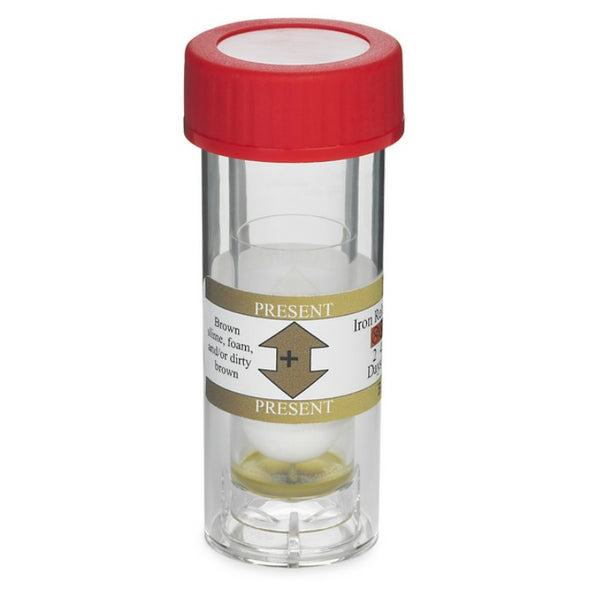
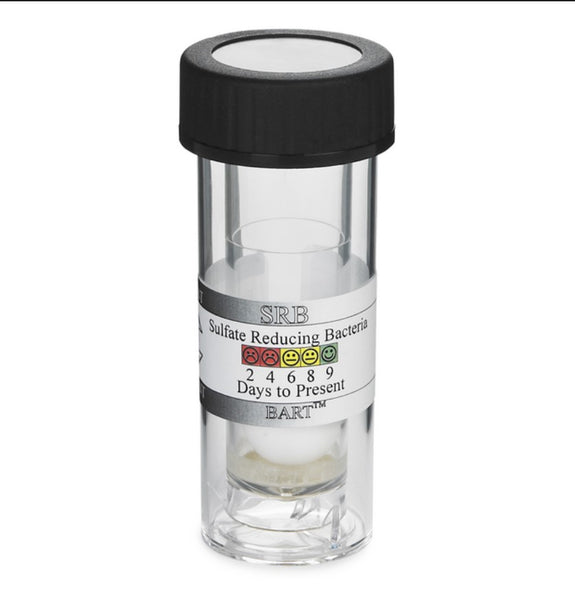
Provided at no cost by Viqua (only flat-rate shipping of $17.90 is applied if shipping is required, fully refundable after purchase of any Viqua UV system).
Drawing the sample
One of the most critical components in the testing process is correctly drawing the bacteria sample. Because the targeted organisms are commonly found in the environment, poor sampling practices can lead to false-positive tests. Follow these processes to draw an effective sample:
1. Identify the sampling location. Choose a location that's representative of a drinking water source, such as a kitchen or bathroom faucet. Be sure the location is after any existing treatment and does not bypass any equipment in the treatment train. Ensure the testing location has an easily removable aerator.
2. Thoroughly wash your hands with soap and water or put on a pair of latex gloves.
3. Remove the aerator or any other faucet attachments that may promote the growth of aerobic bacteria.
4. Sanitize the faucet, using one of these methods:
• Thoroughly wipe the outer and inner edges with a disinfecting (bleach or alcohol) wipe.
• Mix 500 ml of water with 1 tablespoon of unscented bleach in a small cup. Submerge the end of the faucet in the cup for two minutes (120 seconds).
• Treat the faucet with a small flame source (torch). CAUTION: As many materials used today are plated plastics, this method is not recommended unless you are certain the material is heat-resistant.
5. Flush the water line by allowing cold water to run for 5 minutes.
6. Reduce the flow of water to a slow, steady stream.
7. Remove the lid of the bottle. DO NOT touch the inside of the lid or the inside of the bottle with your fingers, as this will lead to a positive test.
8. Fill the bottle to the shoulder, replace the lid, and tighten.
9. Shake well for 30 seconds and label the bottle with:
• Location and homeowner of the well water sample
• Date the sample was taken
• Initials of the person who performed the test
• Date placed in incubator (warm place with temperature around 30C)
10. Store for transport and incubation.
Since the presence-absence test uses a growth medium (a bacterial food source), the general risks associated with storing and transporting are minimized. Make sure that you keep the test:
• Out of direct sunlight, as the sun's UV rays could inactivate the bacteria
• At a temperature above freezing